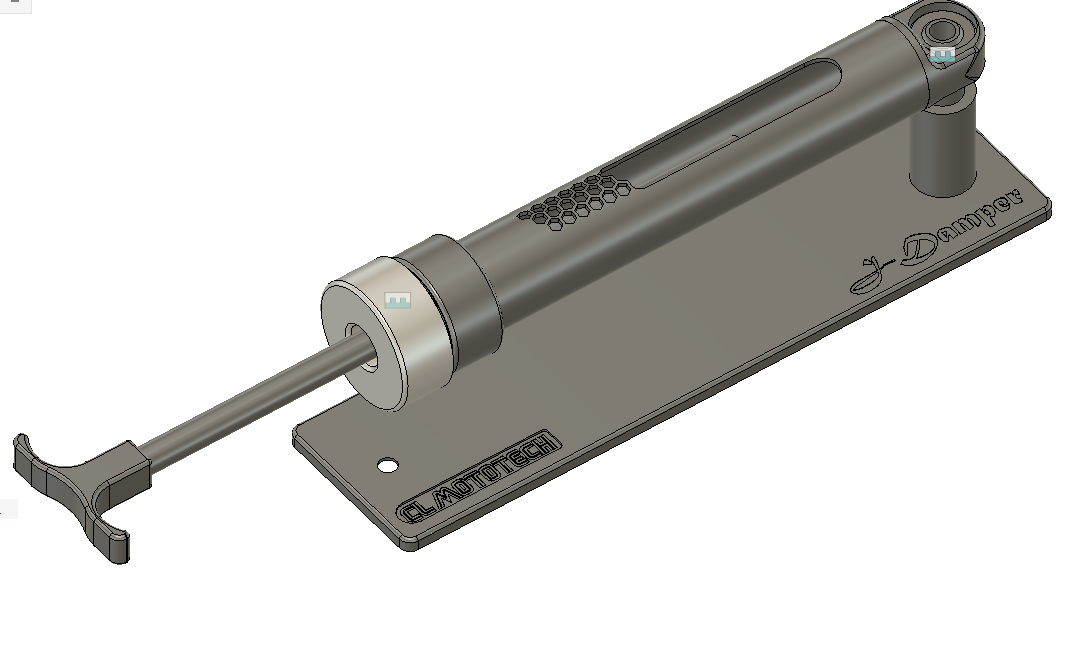
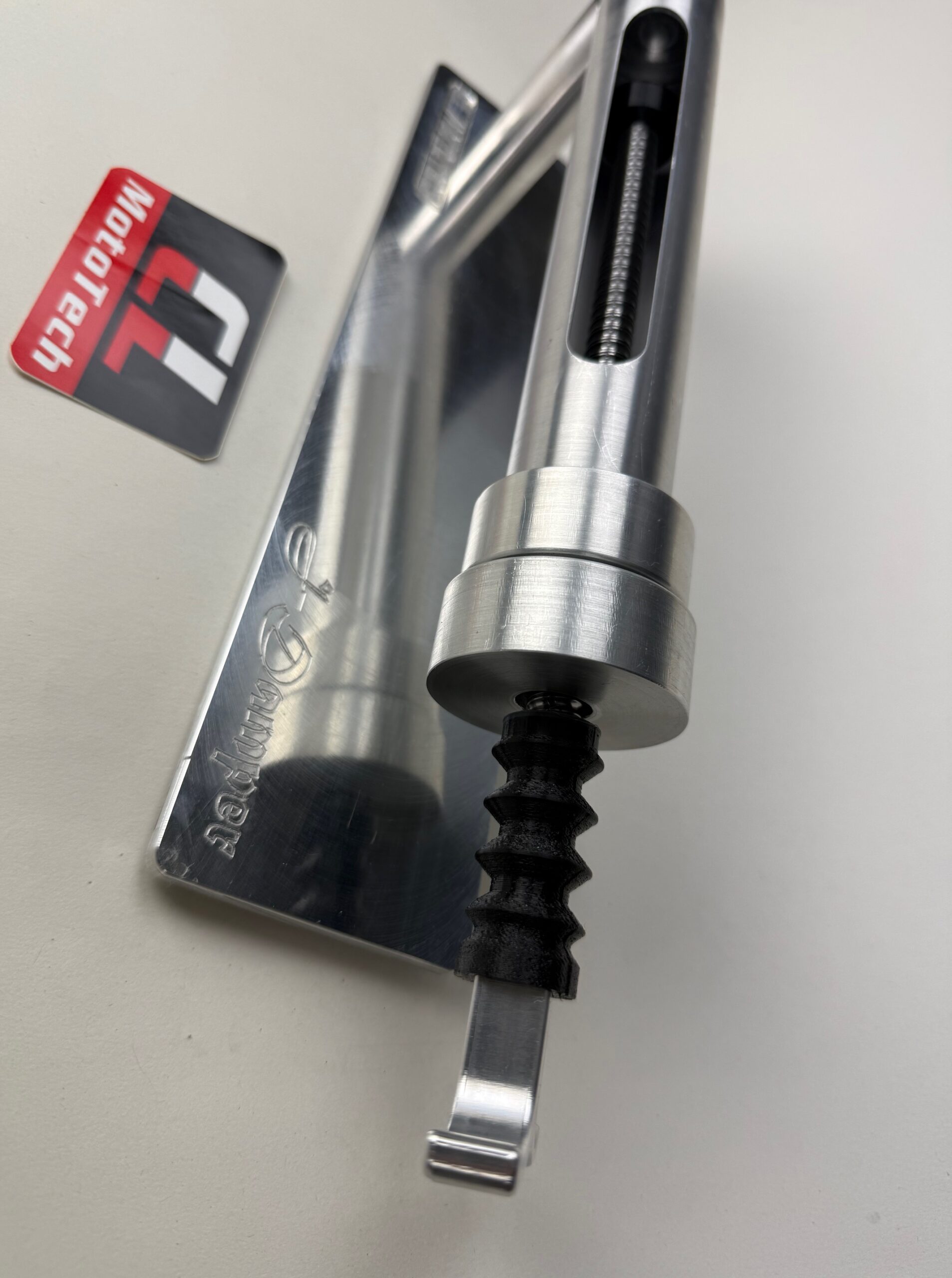
Last year, I set out to build something I’d never seen anyone else make—a working desktop demonstration of the Formula 1 inerter, more commonly known as the J-Damper.
The original project wasn’t intended to become a product. It was simply an engineering experiment. I wanted to better understand how the mechanism worked, what it felt like in your hands, and whether I could machine a functional demonstration that accurately represented one of Formula 1’s most interesting suspension innovations.
It turned out even better than I expected.
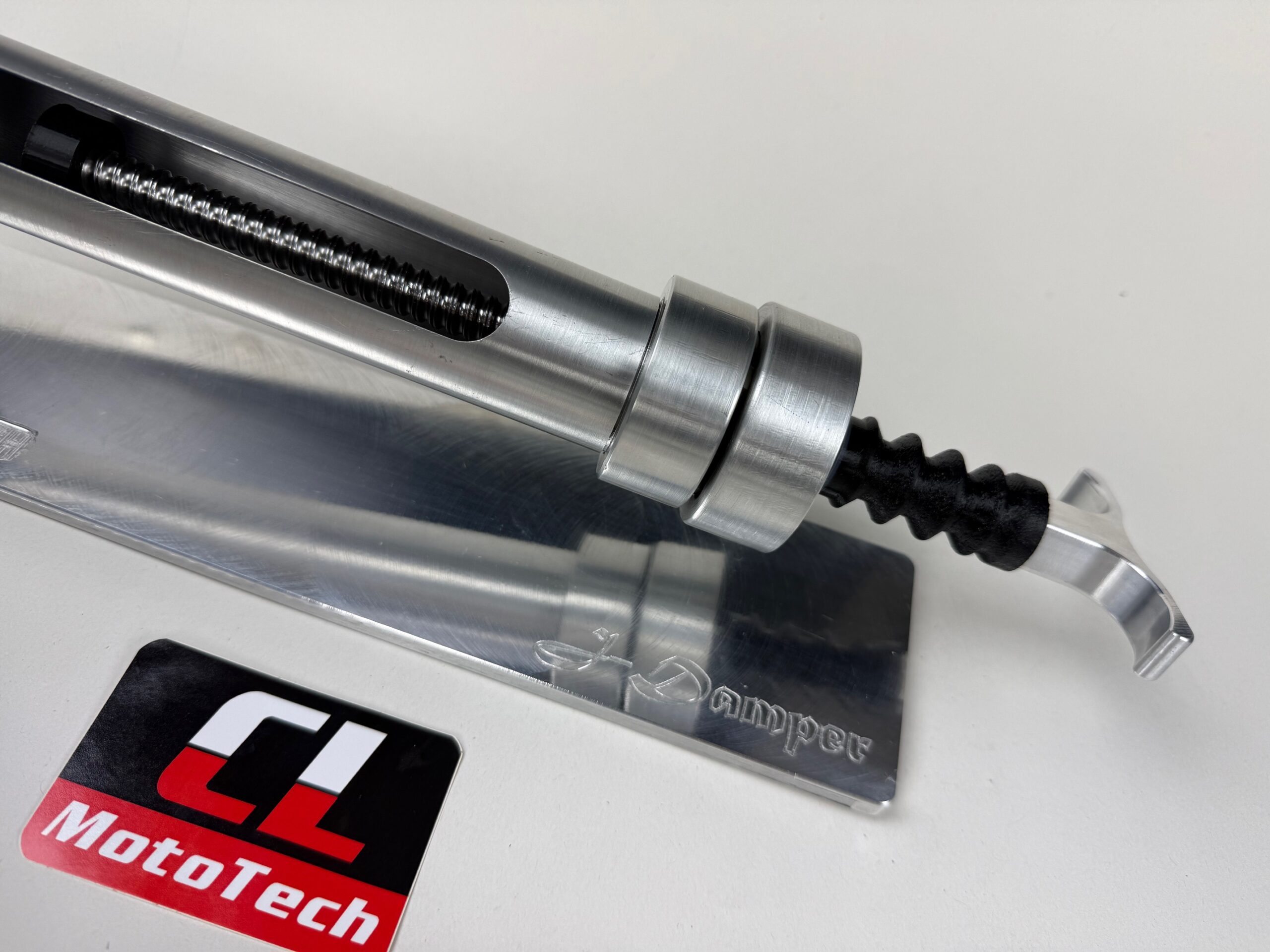
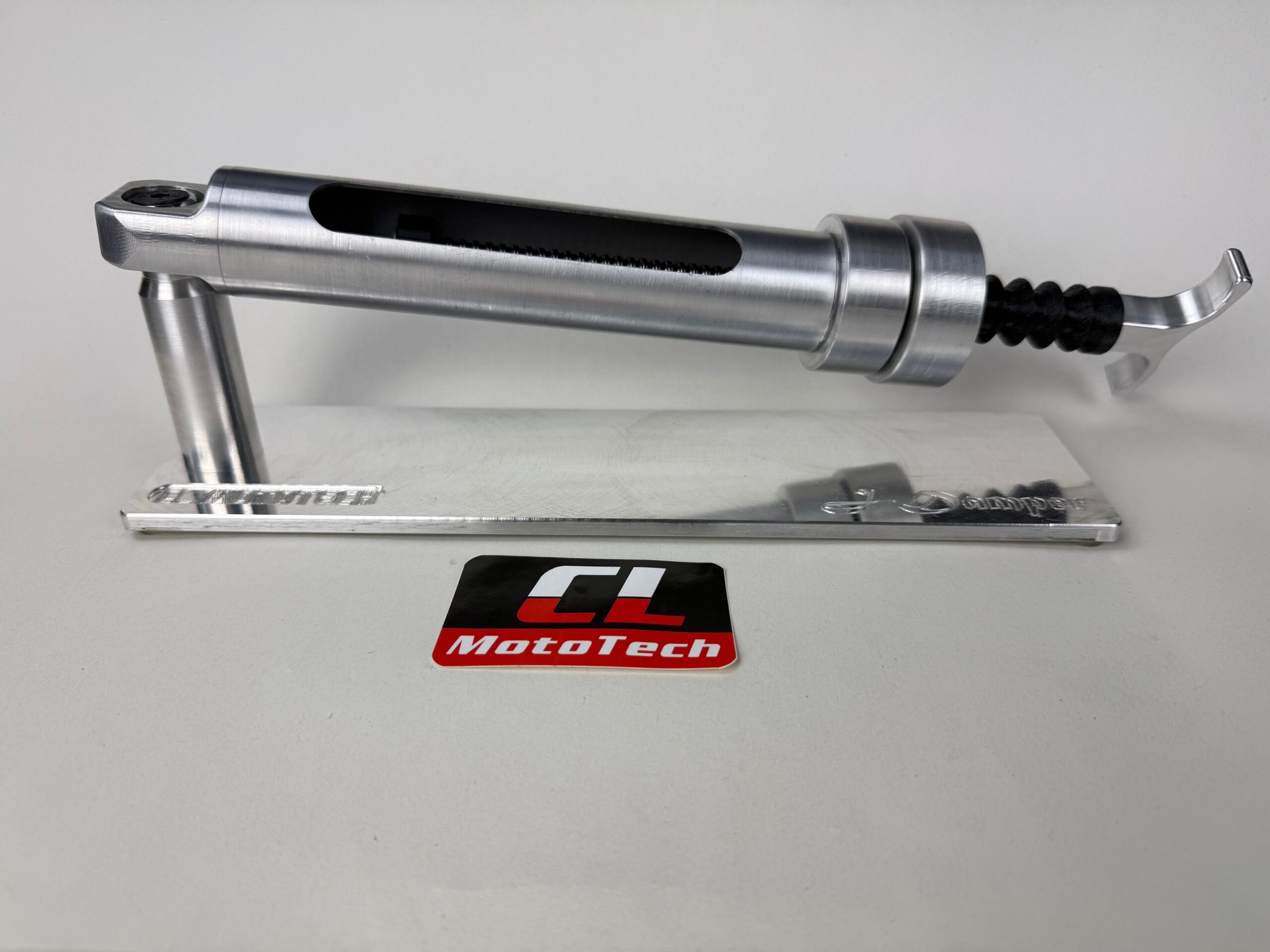
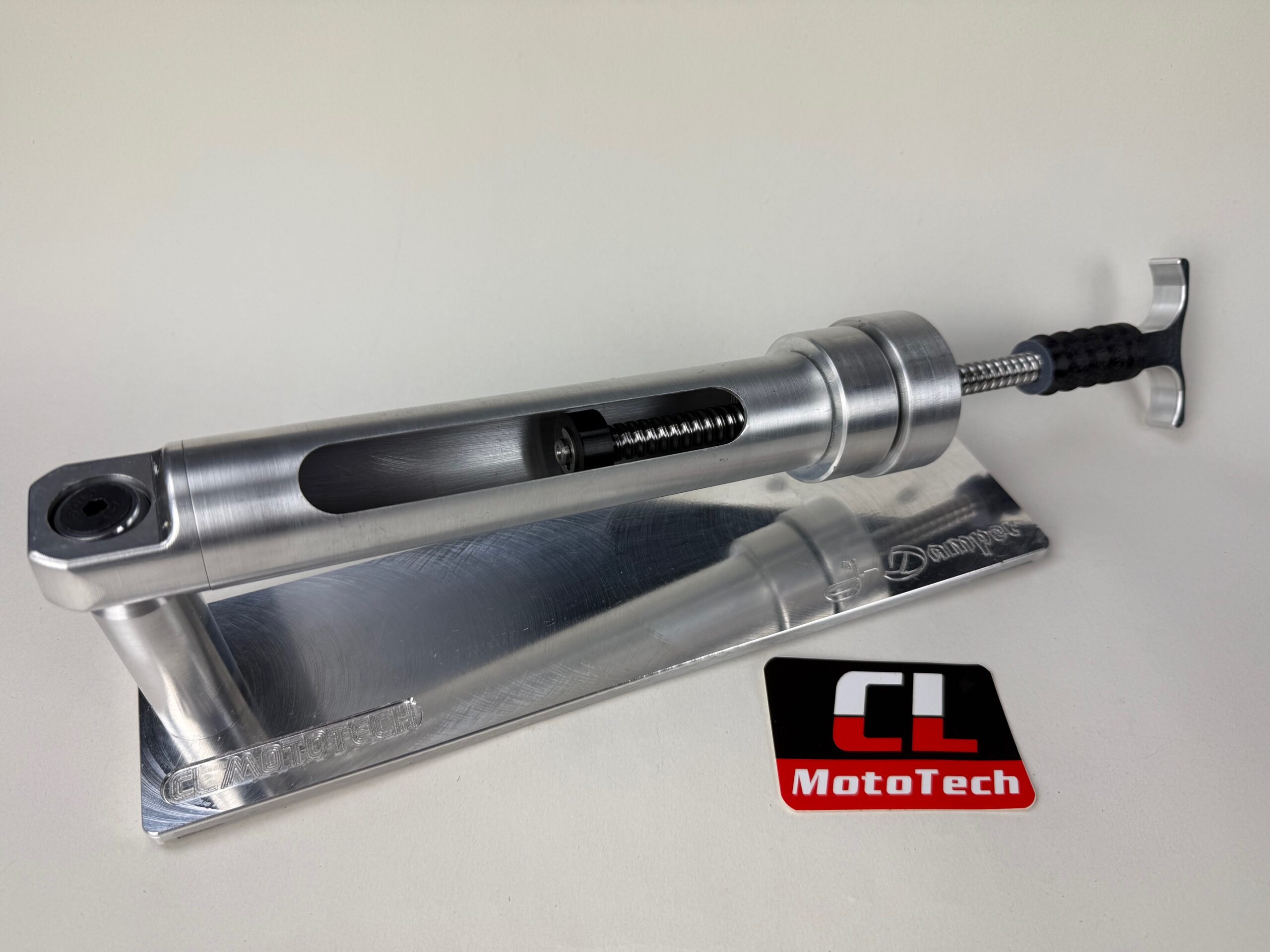
The finished model became a working demonstration of the inerter, a unique conversation piece, and, if I’m being honest, a pretty entertaining adult fidget toy. There’s something oddly satisfying about feeling the resistance created as linear motion is converted into rotational inertia. It’s one thing to read about the physics behind an inerter—it’s another to actually experience it.
Like most engineering projects, however, Version 1 answered some questions while creating a whole list of new ideas.
So, naturally, Version 2 is underway.
This isn’t a complete redesign. The original concept worked exactly as intended. Instead, Version 2 is an opportunity to refine the details that only become obvious after designing, machining, assembling, and living with the first one.
The CAD model is already taking shape with a cleaner overall design, an integrated display stand, and a number of improvements that should simplify manufacturing while making the finished piece feel even more polished. Every revision has a purpose, but the goal remains exactly the same: build a mechanical demonstration that is enjoyable to operate, interesting to study, and faithful to the engineering principles behind the original Formula 1 inerter.
Over the coming weeks, I’ll be documenting the entire process here—from CAD design and machining to assembly and testing. If you’ve ever wondered how an engineering idea evolves from a concept into a finished mechanism, I hope you’ll enjoy following along.
Projects like this remind me why I enjoy engineering in the first place. Sometimes you build something because the world needs it.
Sometimes you build something simply because it’s fascinating.
2 Responses
Haiko
Hey
I am looking for exactly one of those dampers as an demonstration.
Would you build a seccond one and sell it?
Cheers
Haiko
Chris
Yes! I am in the process of that now. I can sent you an email.